
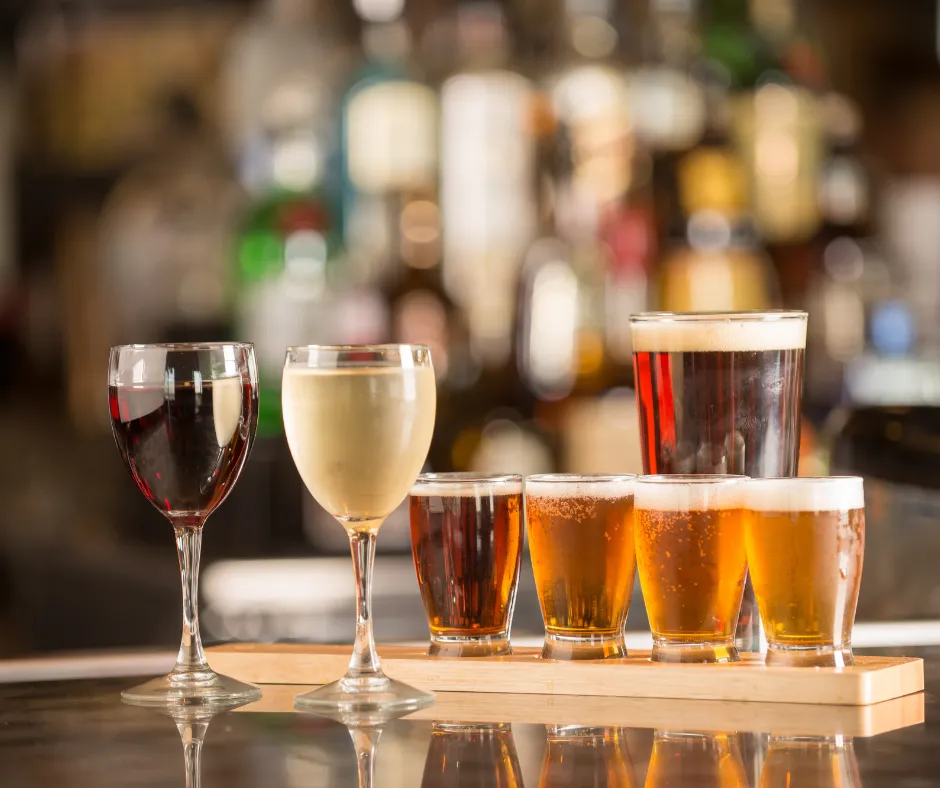
Alcohol in Midlife: Why It Hits Harder and How to Drink More Mindfully
Isn’t it interesting that midlife often gives us more reasons to unwind with a drink… but our bodies don’t always respond the way they used to?
A glass of wine that once felt relaxing can now affect sleep, energy, mood, and even how you function the next day. And for many women, it can feel like this shift happens almost overnight.
So what’s actually going on?
Alcohol and midlife changes
As we get older, a few physiological changes naturally occur in the body that affect how we process alcohol.
We produce less of the enzyme that helps break down alcohol, and we also carry less total body water. This means alcohol becomes more concentrated in the system and is processed differently than it used to be.
In simple terms, alcohol tends to hit faster, feel stronger, and stay in the system longer.
On top of that, midlife is already a time when many women are experiencing hormonal shifts, changes in sleep quality, higher stress loads, and sometimes new medications. All of this can increase sensitivity to alcohol even further.
This is often why women start noticing things like lighter or more disrupted sleep after drinking, more hot flashes or night sweats, feeling more anxious or “off” the next day, or simply taking longer to recover.
None of this means you can’t enjoy alcohol. It simply means your body may be responding differently than it did in your 20s or 30s.
Alcohol and long-term health
Beyond how you feel day to day, research continues to show that alcohol affects multiple systems in the body, including liver health, bone health, and long-term disease risk.
According to the Canadian Centre on Substance Use and Addiction (CCSA), alcohol is not risk-free, and even moderate intake carries some level of risk. That's why this new guidance encourages more awareness of how much and how often we are drinking.
👉 Source: Canadian Centre on Substance Use and Addiction (CCSA)
https://www.ccsa.ca/sites/default/files/2023-05/CGAH-Drinking-Less-is-Better-en.pdf
What actually counts as “one drink”?
This is where things often get misunderstood.
In Canada, a standard drink is defined as:
A 12 oz (341 ml) beer at about 5% alcohol
A 5 oz (142 ml) glass of wine at about 12% alcohol
A 1.5 oz (43 ml) shot of spirits at about 40% alcohol
The important piece most people don’t realize is that many glasses served at home or in social settings are significantly larger than these standard amounts.
A large wine glass, for example, can easily equal 1.5 to 2 standard drinks. A generously poured cocktail can also contain more than one serving without it being obvious.
So while it may feel like you’re having “one or two drinks,” the actual amount can often be closer to 3–4 standard drinks.
And that matters, because it directly influences how your body responds.
4 simple ways to enjoy alcohol more mindfully
I’m all for small, realistic improvements. The goal isn’t to take enjoyment away, but to help you feel better while still enjoying your life.
One of the simplest shifts is eating well before drinking. When meals are skipped earlier in the day to “save calories,” alcohol tends to hit harder and has a bigger impact on blood sugar and energy. A balanced meal beforehand helps slow absorption and supports more stable energy and mood.
It also helps to be mindful of sugary mixers. Drinks made with juice or soda can spike blood sugar and contribute to energy crashes later on. Lighter options like soda water, fresh citrus, or simple combinations tend to feel better in the body and are often more refreshing in summer anyway.
Hydration plays a much bigger role than most people realize. Alcohol is dehydrating, which contributes to headaches, fatigue, and disrupted sleep. Having water between drinks — or simply starting your evening already well-hydrated — can make a noticeable difference. Some people also benefit from electrolytes, especially in hot weather or after a busy day.
Finally, slowing down your pace can completely change the experience. When you give your body more time to process alcohol, you naturally stay more aware of how you’re feeling. It shifts the experience from autopilot to intention — without taking away enjoyment.
The bottom line
I’m not suggesting you give up alcohol or step away from social enjoyment.
This is really about awareness.
When you understand how alcohol affects your body now, you can make choices that better support your sleep, energy, mood, and overall wellbeing.