Portion Control in Midlife: Why “Eating Healthy” Might Not Be Enough.
If you're over 40 and trying to lose weight, you've probably noticed that what used to work… doesn’t work the same way anymore.
I hear this all the time: “I'm eating healthy, but the weight still isn't coming off.”
It’s one of the most frustrating places to be, because you're doing the “right things,” and still not seeing the results you expect.
Here’s what I want you to know: food quality absolutely matters. But in midlife, portion sizes start to matter more than they used to and most women don’t realize it’s happening.
Your Body Has Changed. Your Portions Probably Haven’t.
The portions that worked for you in your 30s were matched to a different body, a different metabolism, and a different hormonal picture.
Over time, muscle mass tends to decrease, activity levels shift, stress accumulates, and hormones change, all of which affect how your body uses the food you eat.
So you may be eating the same way you always have, while your body is quietly working with different needs.
You might recognize some of these signs: stronger cravings, more hunger at night, lower energy, slower digestion, more frequent snacking, or weight that just won’t budge despite eating well.
None of this means you're doing something wrong. It means your body is asking for a different approach.
Healthy Food Can Still Add Up
This isn’t about cutting out the foods you love.
Nuts, cheese, granola, nut butters, smoothies, restaurant meals can absolutely be part of a healthy lifestyle. But they’re also calorie-dense, and portions can add up faster than most people expect.
A small handful of almonds and a generous handful are two very different things. A smoothie can easily contain the calories of a full meal.
That’s not a reason to avoid them, it’s just about awareness.
It’s Not Only About Calories, Though
Energy balance still applies in midlife. But how your food supports your body matters just as much as how much you’re eating.
Sustainable weight loss at this stage of life isn’t about eating as little as possible. It’s about eating in a way that protects muscle mass, supports bone health, keeps digestion moving, and provides steady energy throughout the day.
When your meals are doing that, staying on track stops feeling like willpower and starts feeling manageable.
If most of your calories are coming from ultra-processed foods, you can technically hit a calorie target and still feel hungry, tired, and unsatisfied, which makes everything harder to sustain.
Should You Track Calories?
For some women, tracking is genuinely eye-opening. It can reveal patterns around snacking, liquid calories, emotional eating, or portion creep that are hard to see otherwise. If progress has stalled and you can’t figure out why, a short period of tracking can provide real clarity.
But it’s a tool, not a requirement — and it’s not for everyone. Many women find it stressful or unsustainable long term, and that’s a completely valid response.
There’s a Middle Ground and Most Women Do Best There
Diet culture tends to present two options: track everything perfectly, or don’t bother paying attention at all.
Most women thrive somewhere in between.
Simple, consistent habits can do a lot of the heavy lifting:
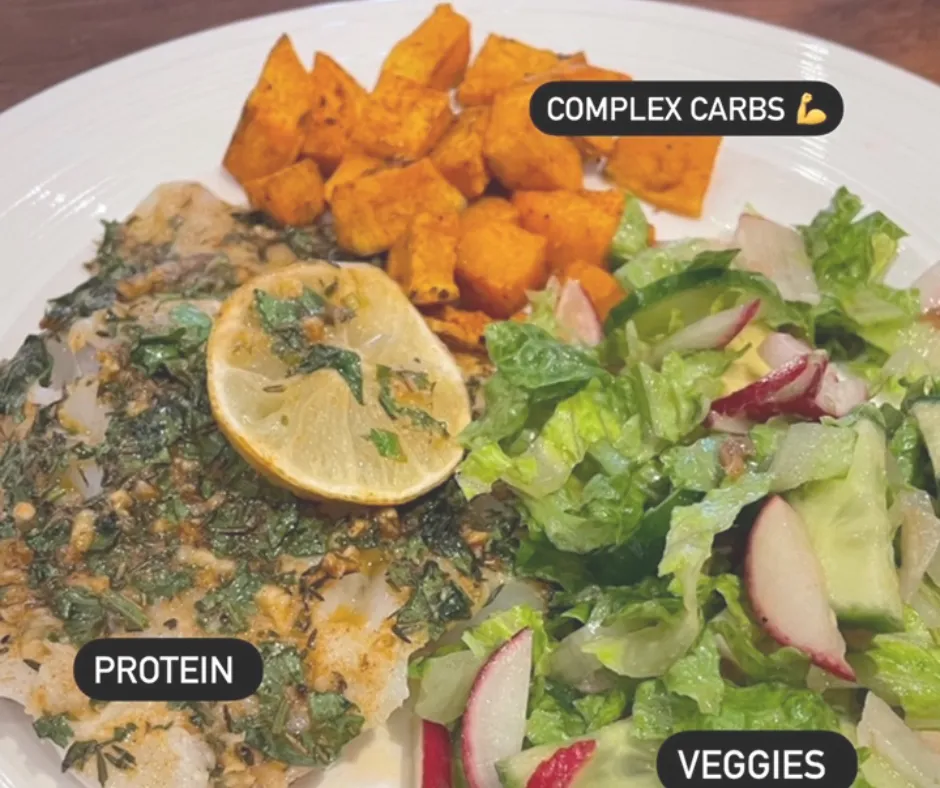
Eating protein at every meal
Adding more vegetables and fibre
Slowing down while eating
Using smaller plates
Reducing mindless snacking
Being more aware of portions without obsessing over them
Limiting ultra-processed foods most of the time
None of these are dramatic changes. But over time, they compound and they’re the kind of habits you can actually maintain.
Want Help Figuring Out What Works for Your Body?
If you're navigating weight changes in midlife and want an approach that’s realistic, sustainable, and built around how your body actually works right now — I’d love to work with you.
I offer virtual and in-person nutrition consultations for women over 40. We focus on food, energy, strength, and long-term health, not quick fixes.